Relationship Self‑Sabotage: 7 Signs You’re Holding Yourself Back
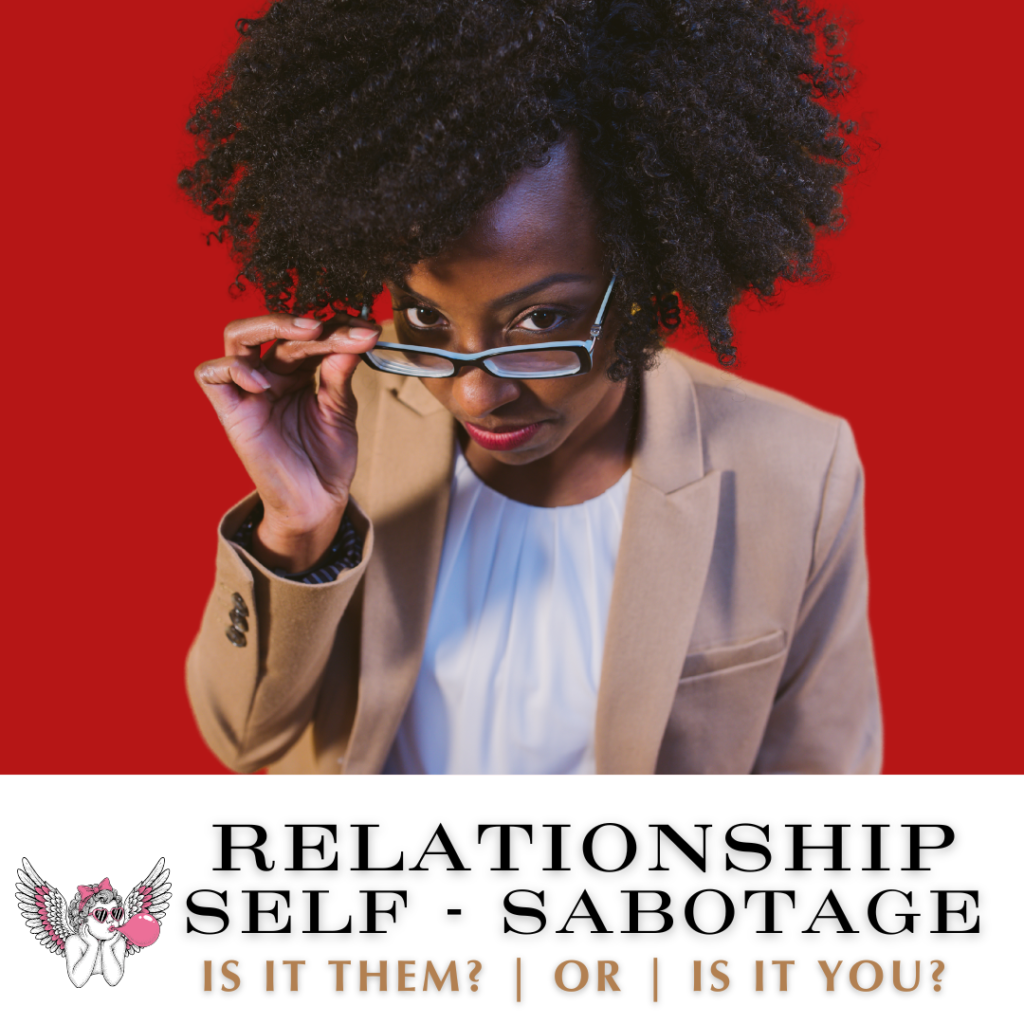
Valentine’s Day is cute and all, but let’s talk about what happens on February 15th — when the flowers wilt, the chocolate is gone, and real life comes rushing back in. Too many of us use love as the perfect hiding place for our own relationship self‑sabotage. We blame the person we’re with for why we’re not hitting our goals, not leveling up, not becoming who we said we wanted to be.
This isn’t about shaming you. It’s about telling the truth with love. These are 7 reasons we derail our own progress and blame the relationship — even when the relationship isn’t the real issue.
- You believe loving someone means sacrificing everything — including yourself.
Some people genuinely think that “real love” requires total self‑abandonment. Even when their partner says, “I don’t want you to do that for me,” they still give up their goals. That’s not love — that’s relationship self‑sabotage dressed up as devotion.
- You think disagreeing equals conflict, and conflict equals danger.
You missed the terrible twos — the era when “no” was your whole personality. Now you’re agreeable to a fault. You think pushing back means fighting, when really it’s an invitation to deepen love. If this is you, your relationship issues might involve your partner, but this part? This is on you.
- You’re projecting your own fantasy of unconditional compliance.
You give your partner what you want: endless yeses, no boundaries, no pushback. You secretly believe love means never hearing “no.” But that’s not real — not even in the movies. Could it be that you feel guilty because you don’t want to give what you demand to receive? That’s relationship self‑sabotage in disguise.
- The goal you claim the relationship is blocking isn’t compelling to you.
As an example, consider this: you say you want to lose weight, but you keep accepting dinner invitations. Why? Because deep down, you want to eat whatever you want without consequences. So you blame them instead of admitting you’re struggling with discipline. What if you told them the truth — that you need support because the goal actually matters to you?
- You feel indebted because they supported you during hard times.
They were there for you, and that’s beautiful. But now you feel like you owe them your entire future. That’s not love — that’s emotional bookkeeping. Studies show couples often stay together after a crisis even when the relationship is already dying. If resentment is growing in your soul every day, hasn’t a part of you already left?
- You’re afraid to leave, even though the relationship is already fading.
You know you’re one straw away from breaking the camel’s back. But you don’t want to be single, and you don’t have a backup plan. Shame keeps you stuck. What if you gave yourself space to grieve what’s already mostly gone and started building an exit plan? If you’re unhappy, they’re unhappy too. You’re both stuck in a silent rut.
- You’re using the relationship as a shield against your own fear of failure.
Here’s the psychology: people often blame external factors — including partners — to protect their self‑esteem from the pain of failing at their goals. This is called self‑handicapping, a well‑documented behavior where we create obstacles so we have something to blame if we don’t succeed. Research shows that when people fear failure, they’ll unconsciously sabotage themselves to avoid confronting their own potential (Berglas & Jones, 1978). In other words: If you blame love, you never have to face your own greatness. That’s relationship self‑sabotage at its finest — and its most dangerous.
Love isn’t the enemy. Your partner isn’t the barrier. The real battle is between who you are and who you’re afraid to become. When you stop using the relationship as a hiding place, you stop practicing relationship self‑sabotage and start practicing self‑respect.
If you’re ready to step into the life you keep saying you want, start by telling the truth — to yourself first, and then to the person you love.
SIDEBAR:
None of these apply if you’re truly in a situation where you’re being abused. If you’re being abused, ignore all of this and seek help. Contact the National Domestic Violence Hotline at 800.799.SAFE (7233) or visit www.thehotline.org.