
Tired of Helping? Thriving Is a You Job!
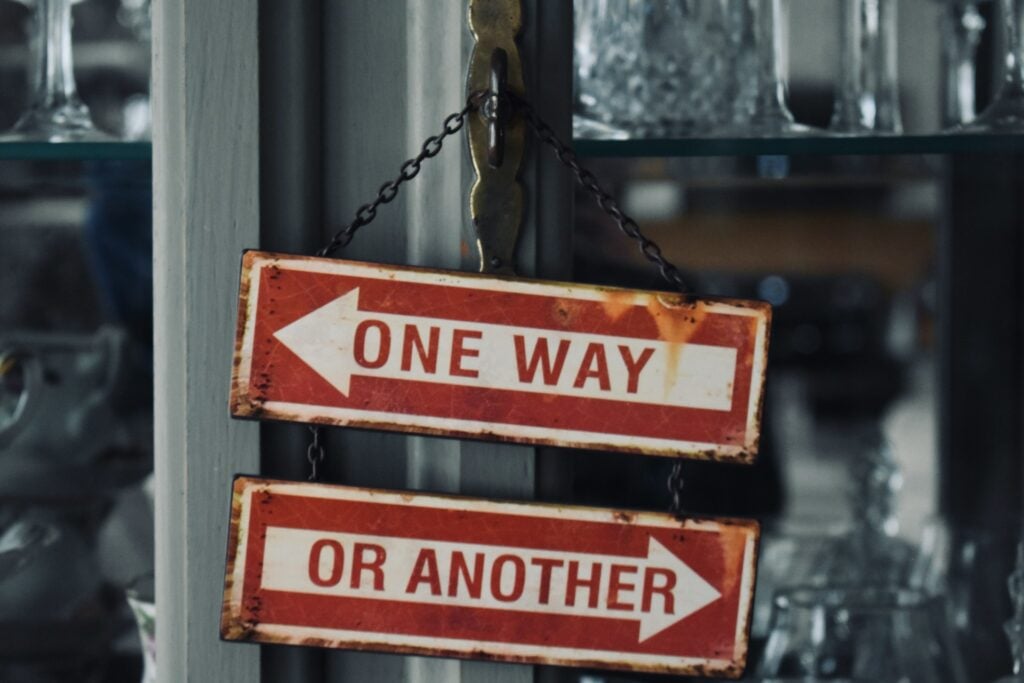
Nobody has to approve of your journey, not even the ones who are helping you along the way. Either they’re in or out. But you have a duty to be a good steward over the love and support you do get.
Here’s why you might struggle with this: are you afraid that you can’t make it without their help? Although no person is an island, integrity has a place in your journey. Yes, it might mean that you have to keep seeking solutions and revising your strategies and timelines if you don’t get the support you want in the way that you want it; however, your victories and successes are sweeter when you know you haven’t manipulated people and circumstances around you to get it. What’s more is this: even if others don’t see the cloud hanging over your wins, you’ll know.
Here’s the other thing that you might have to consider: the people in your life are willing to help you survive, but thriving is a you job, not a we job. Let that sit. I’m willing to make sure you aren’t homeless. I am even willing to sacrifice and let you sleep on my couch, but your life’s dream of a cruise around the world is not my business or responsibility. I’ll cheer for you when you get the opportunity to go, but making sure you get there is your personal work. Respect that. It isn’t hate.
The reality is that many people are working on their own goals and helping you costs them.
When someone gives you something, they don’t have that thing to use for themselves. This is why it’s important to NEVER let people think your love is free. If you truly understood that a person who shares with you is sharing a part of their life with you, you’d realize how expensive your requests are. Whatever they gave you required that they trade their time to get it (usually a job and bless them if it’s a job they don’t love), and what is life if it ain’t time? Just as you wouldn’t want someone to misuse your time, don’t misuse their life.
If you can embrace this perspective, then you can embrace this one, too: when somebody helps you because they believe you are incapable of managing your life or feel sorry for you, they begin to see you as a burden and feel entitled to eclipse part of your personal agency. Yes, they expect to have a say in your choices, or at a minimum, expect you to hear their opinions and critiques. This is even true of family and people who love your dirty drawers. As fellow human beings, we are not meant to carry the full weight of another long term. This is why FT solo caregivers often struggle. CDC data shows that caregivers are more likely than non-caregivers to have obesity, asthma, COPD, and arthritis — on top of higher rates of depression and mental distress. Other research also links caregiving to stomach ulcers, back pain, headaches and high blood pressure. This is why people who are always giving, without reciprocity or speaking up about what it costs them can also come across as mean or bitter and behave in ways that look like “always telling you what do” or “taking over”. What you see as bitterness leaking is overwhelm and resentment brimming.
Designing the life you want to live doesn’t mean you need to always go it alone. It means that you take greater responsibility for building your dream and set the boundaries you need to build and preserve your resources. It means when your homegirl invites you to the $10,000 weekend at Martha’s Vineyard that you didn’t plan for, you think about what you’re trading for that weekend. It also means you embrace what the trade translates into: in exchange for that trip, you’re okay with your Christmas goal being met in summer. There’s no good or bad. Rather, it’s simply being honest about the choices you’re making.
As you embrace what the tradeoffs mean for things you want to do, it should occur to you that you have the same power regarding the things you don’t want to do. Knowing the cost of your life and dreams for yourself makes it harder to give to something or someone that you think will dishonor your gift or sacrifice. Then, it becomes your responsibility to say no, to only say yes when you can be clear about what you expect in return, and to only say yes when you can do so with a good attitude. People can’t think your love is free when you tell them what it costs.