
Can you Admit that You’re Tired of Helping?
In my last blog post, Tired of Helping?, I talked about how it is your job to create the conditions you need to thrive. I played with two themes. On one hand, I shared how it’s your job to do what it takes to build your life. Yes, the people who love you will help you survive, if they can; however, you ought to temper any expectation of them beyond survival. Candidly, some people might say the expectation of helping you survive is misplaced once you’re an adult. Personally, I think everybody needs a little life scaffolding sometimes, and I’m happy to help when I can
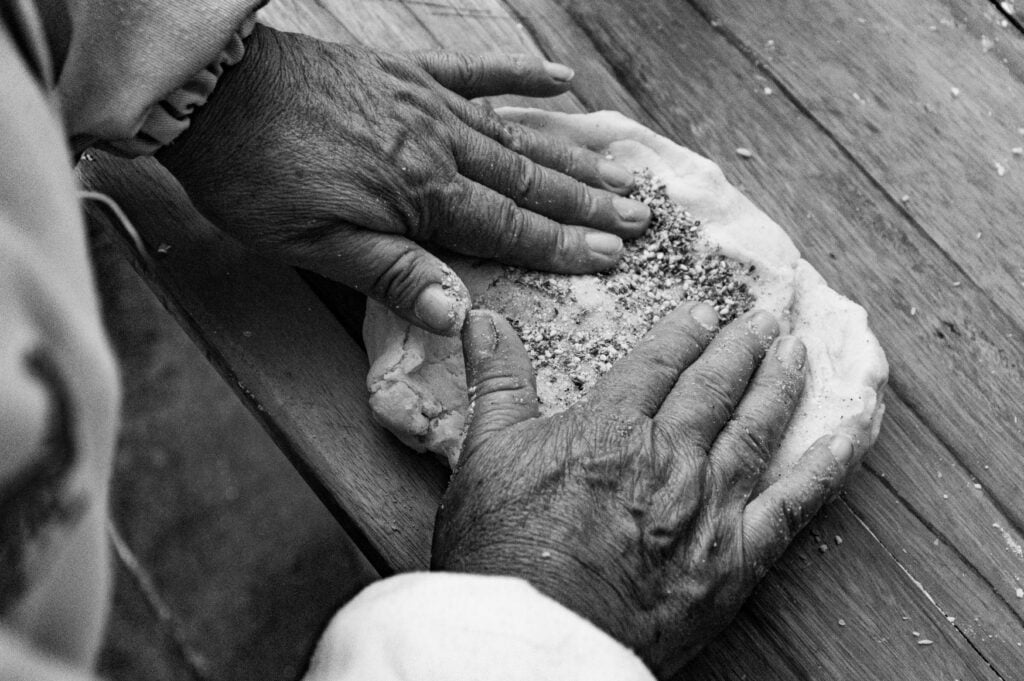
But there is a flip-side. Sometimes people fail to thrive because they overcommit to other people. For some people, this statement is a hard pill to swallow because they see themselves as a “willing helper”. They want to be called anything except selfish. I get it. My grandmother, Birdie, often struggled financially in her life, and would give you the shirt off her back and the food off her plate. She actually enjoyed being regarded that way.
But there’s more, and that’s where I want to pick up right now. My grandma loved to help… As I talk about her, I want you to consider whether you have a little Birdie in you.
First, I loved my grandmother, and I still do, despite the fact that she’s been dead for quite some time. However, I refuse to let my love her for motivate me to gloss over certain truths, and here is one: if she could help you, she would. She would also do one, if not several, of the following:
- tell everybody when you weren’t around
- remind you of it when she was angry
- depending on who you were, she silently endured deprivation if you didn’t pay her back
- depending on who you were, openly lamented about how you put her in a bind
- question your judgment when she disagreed with how you lived your life
Yup, my grandmother, who I regard as a wonderful and loving woman, did these things. Here’s another layer: she helped, despite her own lack, because she genuinely cared about the person for whom she was sacrificing. Her problem was that she wanted to help and couldn’t restrain herself if she thought they were going to go without or experience pain. In short, she was kind of in a catch-22: do I let someone I love suffer or do I suffer myself?
Where she got it wrong was failing to realize that helping someone doesn’t entitle you to control or give you a say-so in their lives. Further, if that was a condition for her support, she should have said so, but she never had the courage to be honest about how her love came with strings attached. Not only did she want the recipient to make the choices that she would’ve made, she wanted to be honored for sacrifice. She wasn’t honest with herself about how much praise mattered to her (she wanted something more than appreciation).
Why did she do these things: it meant that she was a good person. Further, making it clear that her love wasn’t free or cheap didn’t match her definition of being a good person. What’s more is that making it clear that her love wasn’t free or cheap didn’t line up with how she wanted to be treated. If the shoe was on the other foot, she most certainly wouldn’t have wanted anybody to behave as she did. In a way, she had a blindspot and didn’t see herself or couldn’t help herself. Often, she felt so strongly that she was right about how wrong someone else’s choices were or so certain that they didn’t appreciate her sacrifice that she would spill over.
Now, let me add another layer: she went around this same mountain repeatedly. No matter who she helped, she had something to say about it. Even if the person repaid her, she still talked. If she wasn’t lamenting who didn’t repay her, she was stroking her own ego about how she helped. There were times when she and I would argue because I would often ask her, “Why not say no instead of talking about it to no end?” Here’s what I’ve come to believe: if she was still alive today, she’d still be doing it because setting herself on fire to keep others warm, even when she shouldn’t or couldn’t, was ingrained in her as a fundamental part of being a good person. Therefore, she was giving through bondage: fighting with her upbringing about making excruciating personal sacrifices and her true desire to say no or set conditions.
Let that sit for a minute: she was fighting with her upbringing about making excruciating personal sacrifices and choking on her desire to say no or set conditions.
Now, let me ask you a question: when you do things for others, are you doing something that you can do consistently and with a good attitude or are you a slave to others’ opinions? Are you giving in to your upbringing when it really doesn’t serve you? Do you feel like helping within your means isn’t enough? What is driving you to do things that aren’t sustainable, whether emotionally or otherwise?
Finally, who would you be if you defined being a good person according to your own terms rather than being bothered by what “they”, whomever they are, will say?